
You must have heard the name Turai (ridge gourd), a common vegetable in Pakistan and India, especially eaten in the summer season. It has a soft texture with a mild sweet and slightly spicy taste. This recipe is very simple but extremely delicious, and it does feel like any fancy dish. It can be paired with plain white rice, tamatar chutney or even lassi in summer, making it a perfect desi treat.

What is Turai in English?
Let’s clear up the confusion first, since this is probably how you landed here. If you’ve been searching for the English of turai, here it is: turai is called ridge gourd in English. It’s a long, softly ridged green vegetable that belongs to the gourd family, so it’s actually a close cousin of cucumber and zucchini.
Depending on which part of South Asia you’re from, you’ll hear this same vegetable go by a handful of different names. They all mean the same thing, so don’t let the spelling throw you off:
⦁ Turai / Turai Sabzi — the most common name across Pakistan and North India
⦁ Tori / Tori Sabzi / Tori Ki Sabji — used interchangeably with turai in many homes in Punjab region
⦁ Torai / Toori / Taroi — alternate spellings you’ll see on packaging and in older cookbooks
⦁ Turiya / Turiya Vegetable — the name more commonly used in Gujarat and parts of western India
⦁ Ridge Gourd — the standard English name you’ll find at grocery stores and in most recipe blogs

So whether your recipe box says turai vegetable, tori ki sabzi, or ridge gourd recipe, they’re all pointing to the exact same vegetable, and this recipe for ridge gourd curry works for every version of it.
Try making it for lunch and pair it with a chilled glass of lassi, you’ll absolutely love the combination.
Ingredients Notes
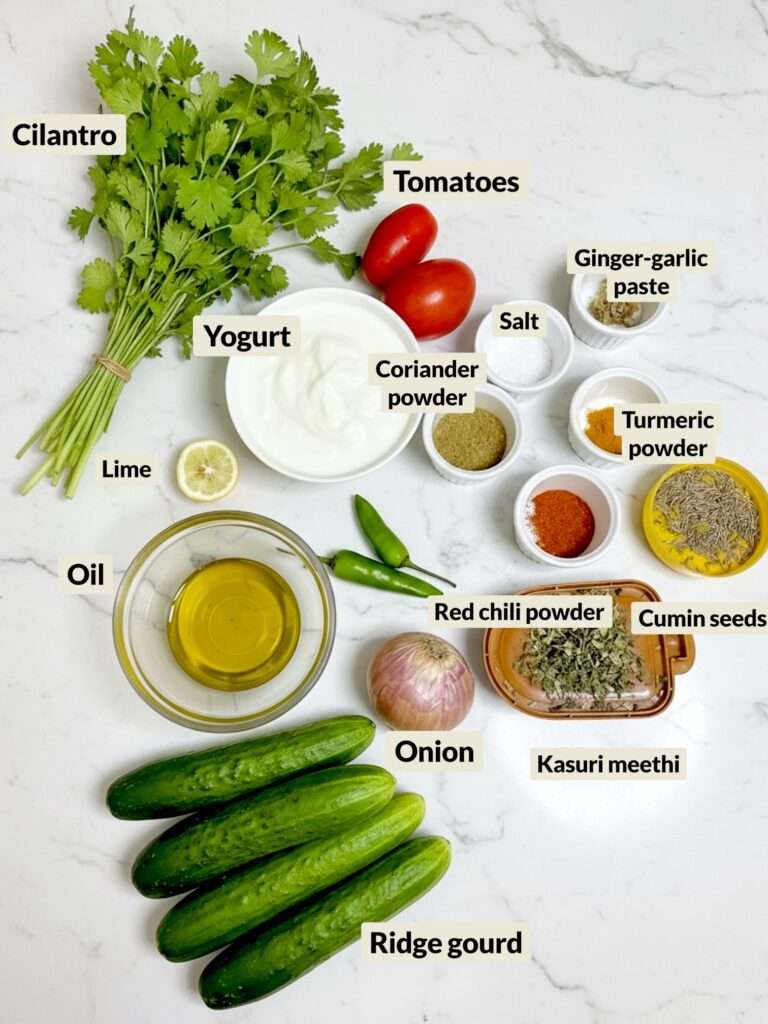
- Ridge Gourd (Turai): Use fresh, firm turai. Avoid the older ones — they tend to have more seeds, can taste slightly bitter, and turn too soft once cooked.
- Onion: Any type of onion works fine here. Just chop it finely for the best texture in the gravy.
- Tomatoes: Use ripe, red, and juicy tomatoes for a rich and smooth gravy.
- Yogurt: Use fresh, thick, and creamy yogurt. It shouldn’t be too sour or watery, or it’ll thin out the gravy.
- Oil: Any cooking oil works. I usually reach for olive oil or a neutral vegetable oil.
- Cumin Seeds (Zeera): Roasted cumin seeds give a noticeably better flavour. If you’re using plain seeds, lightly crush them betweeb palms of your hands before adding.
- Red Chili Powder: Adjust to taste. You can also use black pepper for a milder flavor.
- Ginger-Garlic Paste: This is important for flavor, so don’t skip it.
- Lemon: : Only add if needed. If your yogurt is already tangy, you can leave this out. Otherwise, a small squeeze is enough.
How To Make Turai (Step-By-Step Photo Guide)
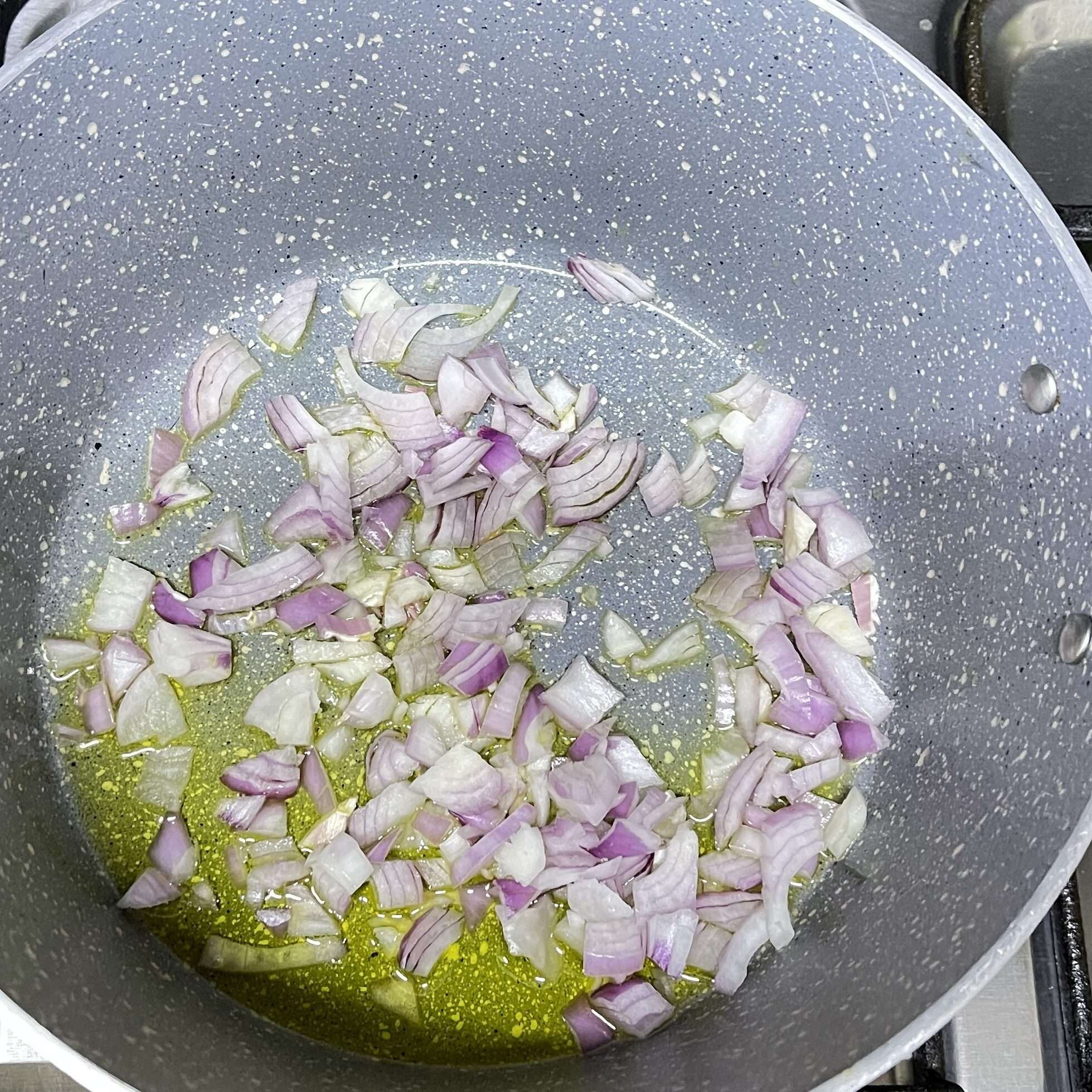
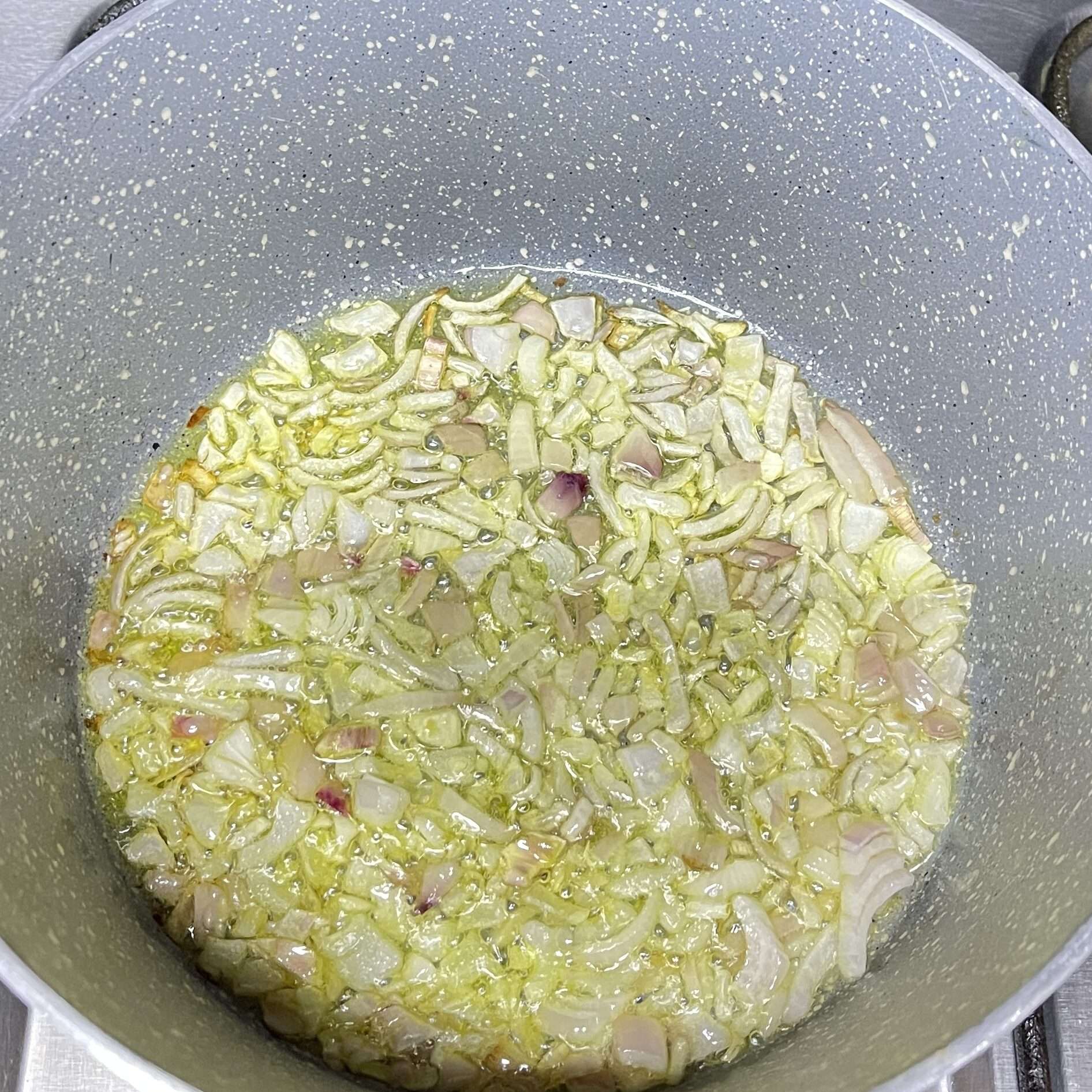
Step 1: Heat oil in a pan on medium heat. Add finely chopped onions and cook them until they turn light golden. Keep the flame balanced, not too high to avoid burning. Then add ginger-garlic paste and cook for about a minute until the raw smell disappears.
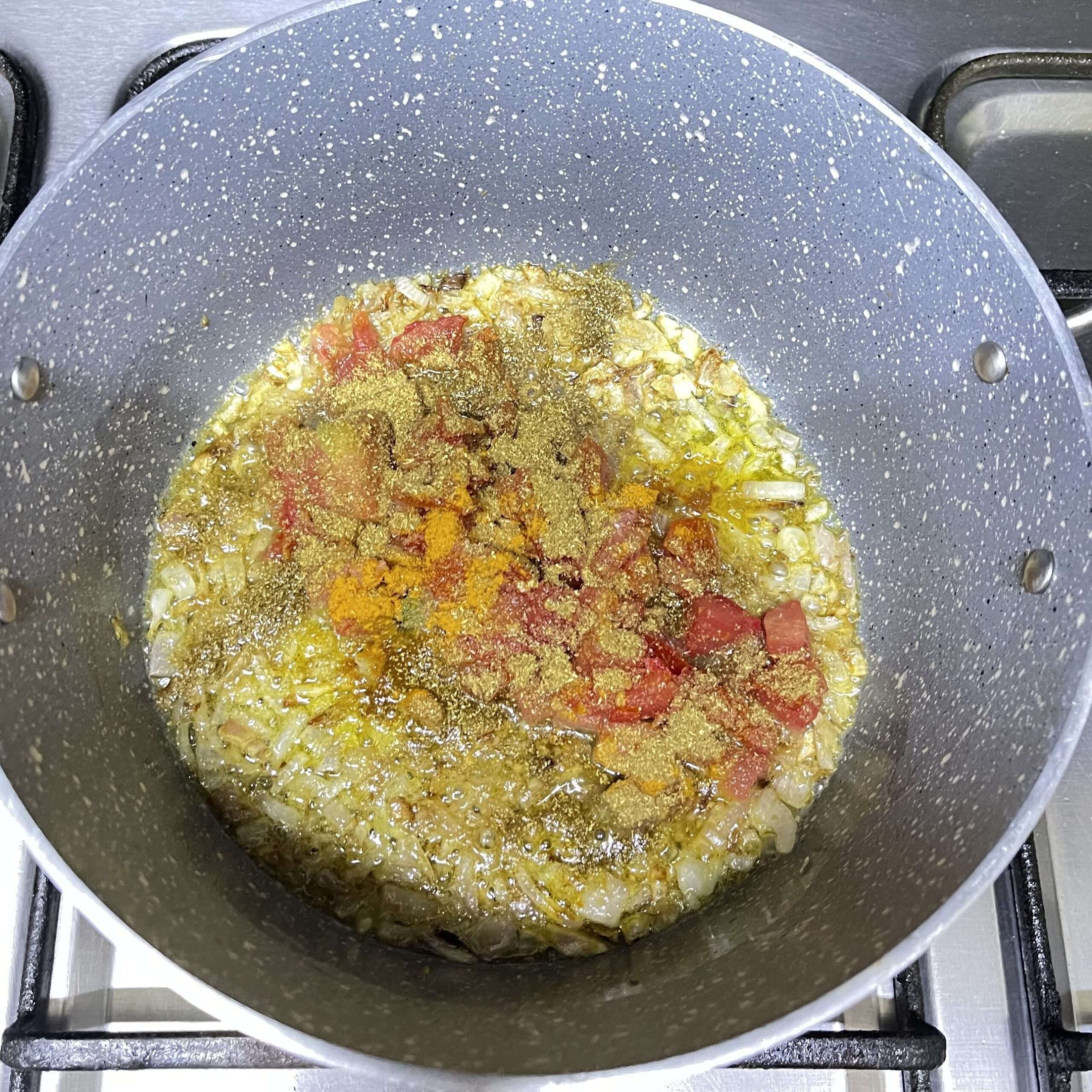
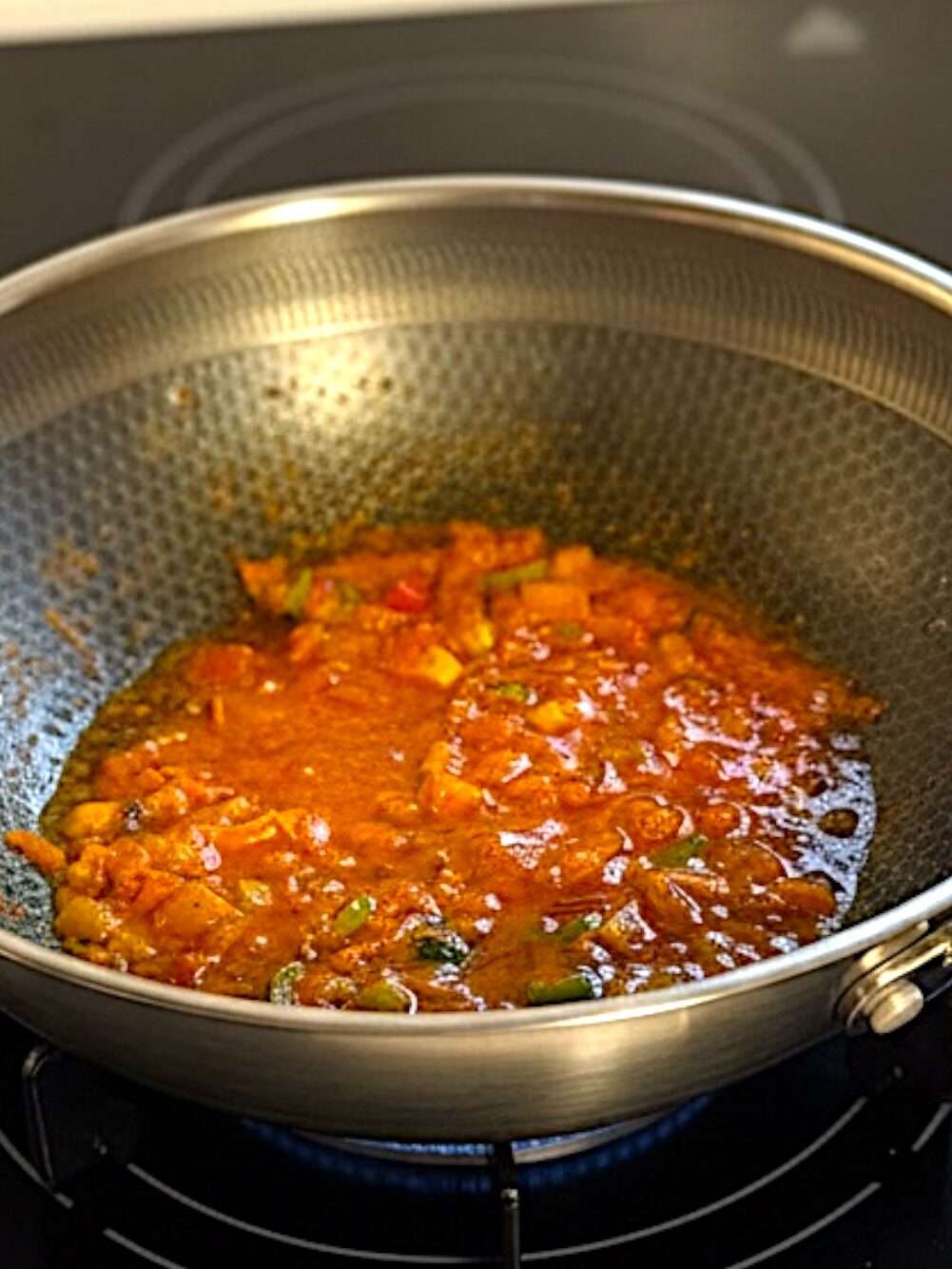
Step 2: Add chopped tomatoes along with all the powdered spices: salt, turmeric, coriander powder, cumin powder, and red chili powder. Mix everything well and cook until the tomatoes become soft and the masala thickens, with oil starting to separate.
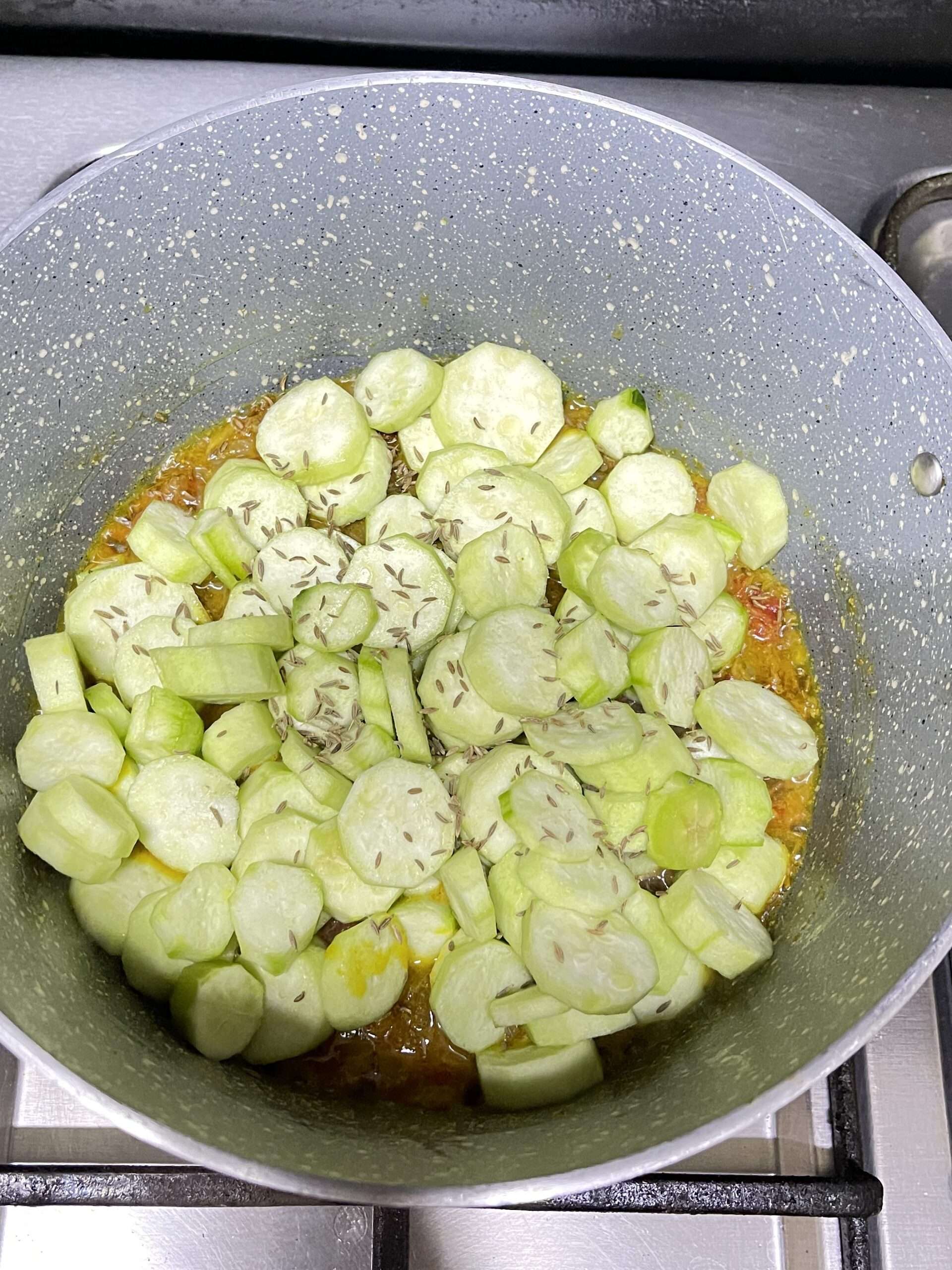
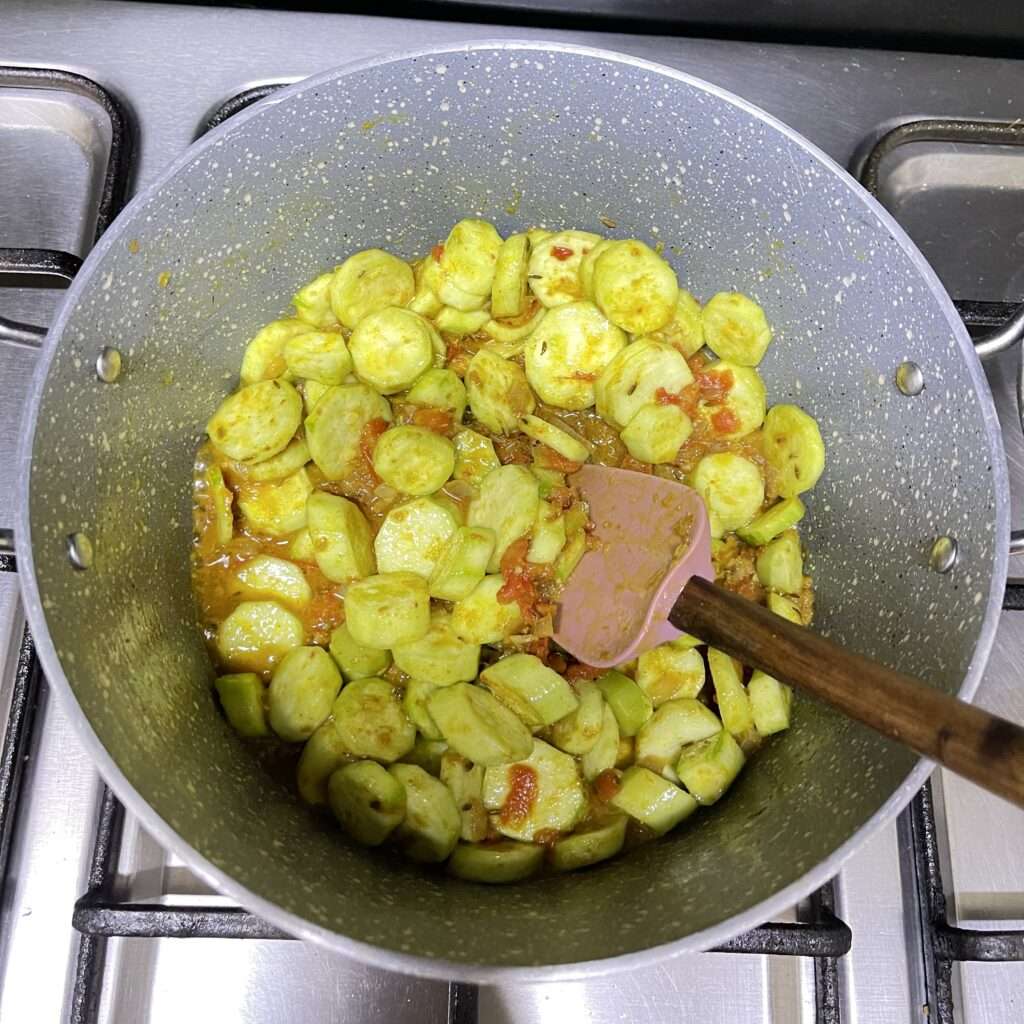
Now add the ridge gourd (turai) cut into medium pieces, along with roasted cumin seeds. Mix well so the masala coats the vegetable evenly. Cook for 3–5 minutes, then add a little water, cover the pan, and let it cook on low heat until the turai becomes soft and tender.
Step 3: Now when the tori is tender and cooked, in the final cooking stages, add thick, well-whisked yogurt along with kasuri methi, chopped green chilies and fresh coriander. Mix gently and let it cook for another 2–3 minutes (dum).
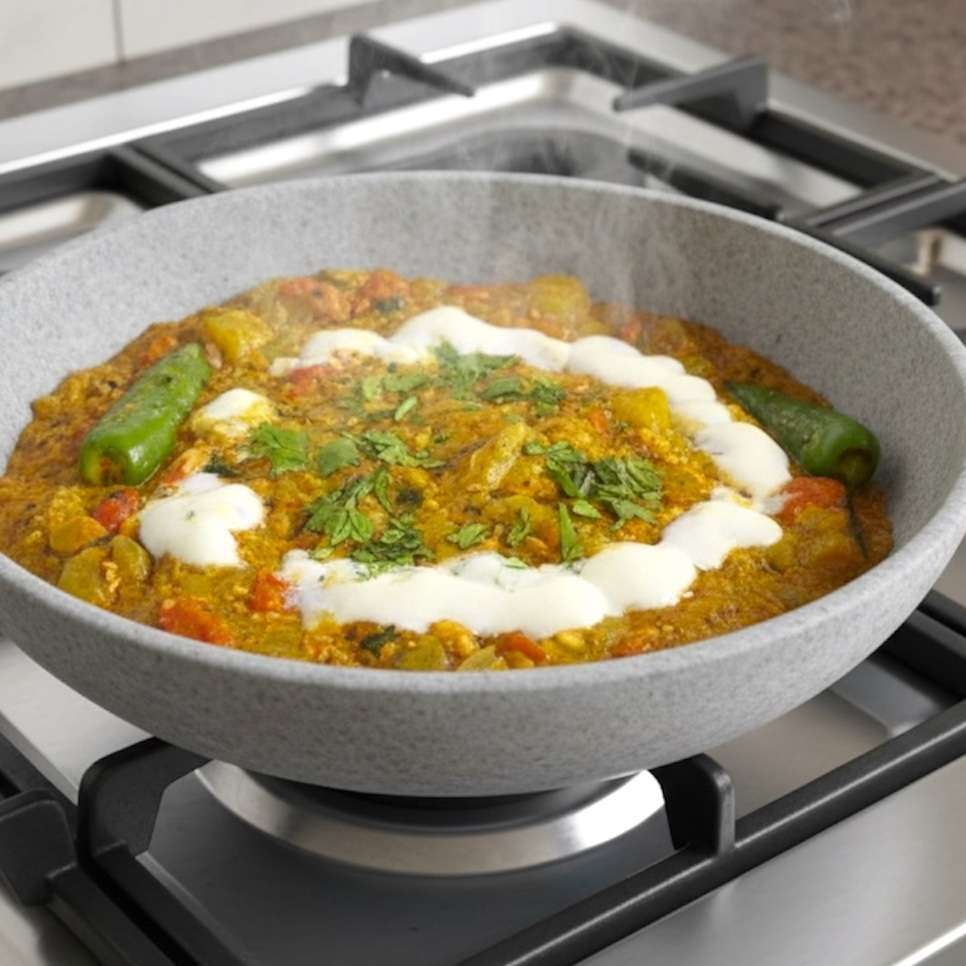

Once done, you’ll get a rich aroma. Now squeeze half a lemon over and your Turai is ready to serve hot with naan or chapati.
More Vegetable Recipes
Aloo baingan
Karela keema
Masalay walay Aloo
Arbi ki Sabzi
Aloo Palak
How To Choose And Cut Ridge Gourd Right?
- To check freshness, gently press the ridge gourd in your hand. If it feels soft, it is likely old. If it feels firm and hard, it is fresh. You can also judge by the skin – fresh ridge gourds have a bright, healthy color.
- When selecting ridge gourd (turai), always choose fresh ones. Avoid the ones that have been sitting in stores for too long, as they tend to lose their flavor and texture. Older ridge gourds are harder to peel properly, and their taste is not as good.
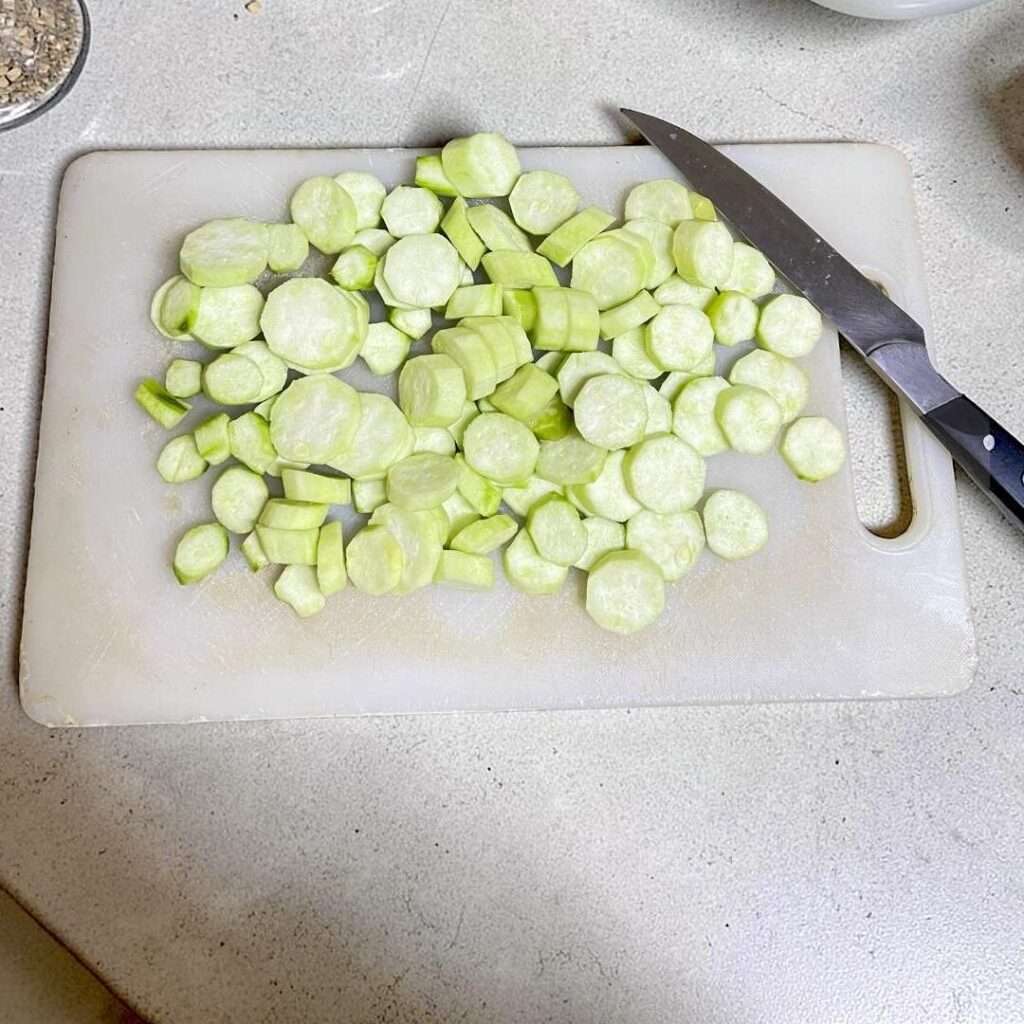
- For cutting, you can slice it round or lengthwise, depending on your preference. However, for the best taste cut it into medium-sized pieces that are not too small and not too large.
Important Tips
- When adding yogurt, make sure it is fresh, thick, well-whisked and not watery. Add about ¼ cup to enhance the flavor and texture of the dish.
- Be careful not to overcook tori. Once it becomes soft, it is done. Overcooking will ruin its taste and can result in a mushy texture.
- Tomatoes also play an important role in flavor. Always use ripe, juicy red tomatoes. Avoid those slightly greenish tomatoes (often called “Chinese tomatoes”), as they are less juicy and do not produce a rich gravy.
Frequently Asked Questions
Can I make this recipe without yogurt?
Yes, you can easily make it without yogurt. I add yogurt to enhance the flavor and make the gravy richer. However if you have allergies or dietary restrictions, you can skip it – it’s not essential.
Can I use frozen ridge gourd?
Yes, you can use frozen turai, but fresh is always better in taste. I recommend using fresh vegetables whenever possible.
Why did my turai sabzi turn out watery?
Ridge gourd naturally releases water as it cooks, so it’s easy to add too much liquid at the start. Begin with a small amount, about ¼ cup, and only add more if the pan looks dry.
What can I serve turai ki sabzi with?
This vegetable recipe pairs well with roti, chapati, naan, or even plain steamed rice -whatever you have on hand works. Like any other Pakistani summer vegetable curries, this is super light and tasty to go with any side of your liking I believe.
How do I store and reheat leftover turai sabzi?
Store leftovers in an airtight container in the fridge for up to 2–3 days, or freeze in small portions in zip-lock bags for longer storage. For reheating, the stovetop on low heat gives the best texture, though a microwave works too – just add a splash of water if it looks dry.

Turai ki Sabzi (Ridge Gourd Curry)
4
servings10
minutes20
minutes330
kcal30
minutesMake simple and delicious Turai recipe at home with everyday spices. This soft and flavorful ridge gourd curry pairs perfectly with roti or naan.
Ingredients
3 –4 tablespoons oil
500 grams ridge gourd (turai), peeled and cut into medium pieces
1 medium size onions, finely chopped
1 tbsp ginger-garlic paste
2 medium tomatoes, finely chopped
1 tsp salt (adjust to taste)
1/2 tsp turmeric powder
1 tsp coriander powder
1/2 tsp cumin powder
1/2 -1 tsp red chili powder (according to spice preference)
1/2 tsp roasted cumin seeds
1/4 cup thick creamy yogurt, well whisked
1 tsp kasuri methi
2 green chilies, chopped
2 tablespoons fresh coriander leaves, chopped
Juice of half a lemon
A little water as needed for cooking
Directions
- Heat oil in a pan over medium flame. Make sure the oil is properly heated before adding the onions so they cook evenly and release their sweetness. Avoid using very high heat, as it can burn the onions quickly from the outside while leaving them uncooked inside.
- Add finely chopped onions to the pan and sauté them patiently until they turn a light golden color. Stir continuously so they do not stick to the bottom or burn. Properly browned onions help create a rich flavor base for the dish.
- Once the onions are lightly golden, add ginger-garlic paste. Mix it well with the onions and cook for about 1 minute until the raw smell completely disappears.
- Add chopped tomatoes into the pan. Then add all the powdered spices including salt, turmeric powder, coriander powder, cumin powder, and red chili powder. Mix everything thoroughly so the tomatoes and spices combine evenly with the onion mixture. Keep cooking until the masala thickens and you notice oil beginning to separate from the sides.
- Add chopped turai and roasted cumin seeds to the masala, mix well, and cook for 3–5 minutes. Add a little water, cover, and cook on low heat until the turai becomes soft and tender. Stir occasionally and avoid adding too much water, as turai releases its own moisture. Once cooked, lower the flame and gently mix in smooth, whisked yogurt.
- Add kasuri methi, chopped green chilies, and freshly chopped coriander leaves. Mix everything gently so the yogurt blends smoothly into the curry without separating.
- Let the dish cook on low heat for another 2–3 minutes on dum.
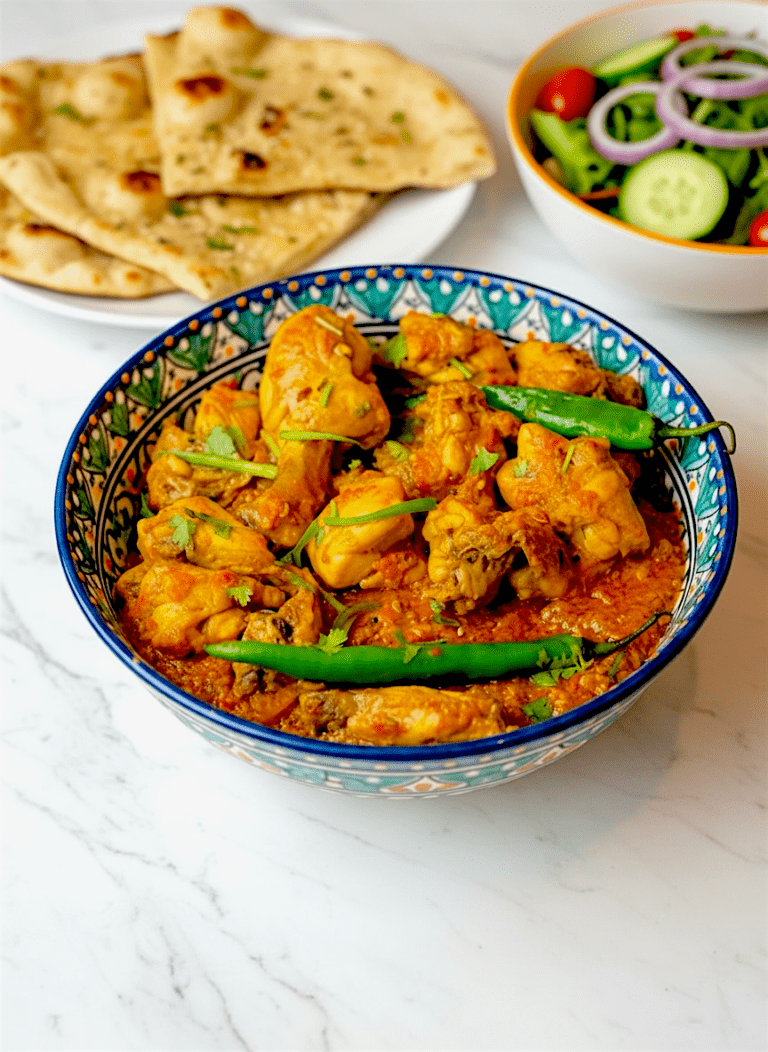
- Once done, turn off the heat and squeeze the juice of half a lemon over the dish for a fresh and slightly tangy finish. Serve the hot and flavorful Turai with fresh naan, roti or chapati.
Notes
- When adding yogurt, make sure it is fresh, thick, well-whisked and not watery. Add about ¼ cup to enhance the flavor and texture of the dish.




)
I tried making tori by following ur recipe, this is straight forward and easily recipe. Tasted so delicious